
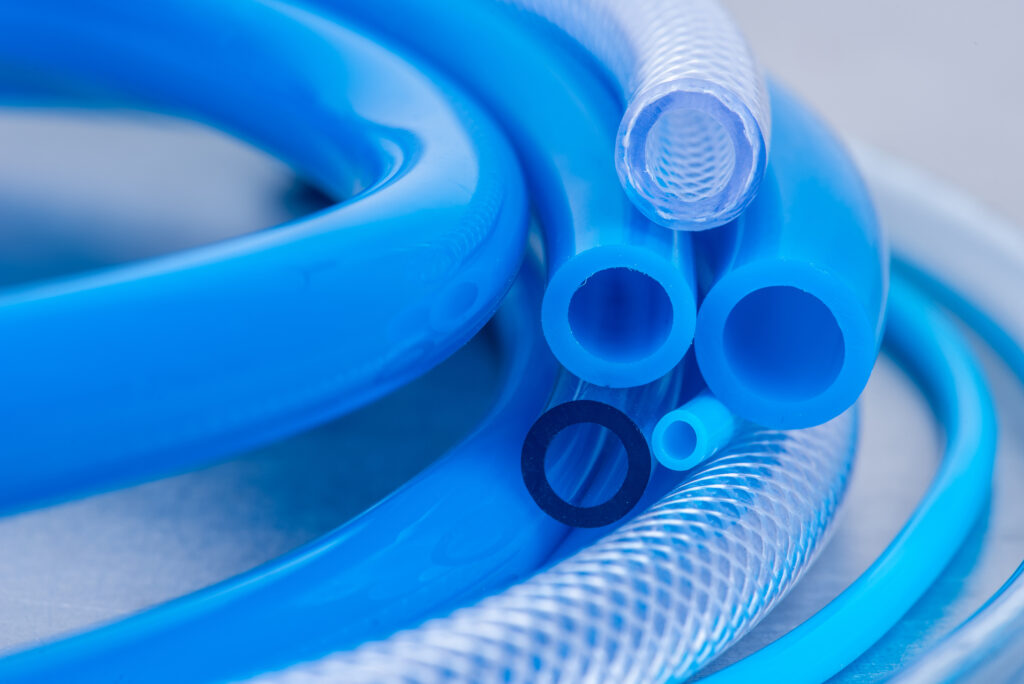
In food and beverage production, every part of the process is scrutinized—ingredients, sanitation, workflows, and safety systems. Yet one component is frequently overlooked: the hoses that carry, transfer, rinse, wash, and deliver product. Food-grade hoses are not simply convenience tools; they are part of the regulatory chain that ensures what reaches consumers is safe. When the wrong hose is used, contamination and compliance failures become inevitable.
Food-grade hose compliance protects product integrity, safeguards employees, and helps facilities meet regulatory and audit standards. That is why selecting the correct hose—and maintaining it properly—belongs at the top of the operations checklist.
What Makes a Hose “Food-Grade”
A hose is considered food-grade only when it is designed, engineered, and certified for contact with consumable product.
Compliance typically includes:
- FDA-approved inner liner materials
- Non-toxic compounds free of BPA, phthalates, and leachable chemicals
- USDA or NSF standards for sanitation and cleaning
- A smooth, polished inner bore designed to reduce bacterial build-up
- Resistance to odors, staining, or flavor absorption
These requirements apply across all applications—from breweries and beverage plants to dairy lines, seafood processors, candy manufacturing, nutraceutical blending, and commercial bakeries.
ASJ Industrial Hose & Fittings supplies hose products built specifically for the category of material they handle—liquids, syrups, juices, oils, powders, hot water, steam sanitation, and more.
Hidden Risks of Using Non-Compliant Hoses
Many food processors unknowingly use hoses purchased from general hardware suppliers or non-certified vendors. Although these hoses may appear sturdy or similar in design, they pose major risks when placed in food environments.
Using non-food-grade hose lines can cause:
- Product contamination due to chemical leaching
- Bacterial growth inside porous linings
- Plastic particle shedding under heat
- Odor and taste transfer into product batches
- Failed regulatory inspections
- Costly waste disposal when product must be discarded
A single contamination event can halt production, compromise contracts, and damage consumer trust. The cost of proper hoses is minimal compared to the financial consequences of a recall.
Temperature, Pressure, and Real-World Use Conditions Matter
Food-grade ratings alone are not enough. A hose must withstand the environment it lives in.
In most facilities, hoses must handle:
- High-temperature washdown
- Steam cleaning
- High-pressure pumping
- Long-term exposure to laundering chemicals
- Abrasion from concrete floors and transport carts
When a hose cannot tolerate the temperatures or pressures of a system, the inner liner deteriorates—silently creating contamination long before failure is visible.
For example:
- A dairy plant may require hoses capable of 220°F sanitizing cycles
- A brewery may need hoses engineered to resist yeast or acid from citrus-based blends
- Food plants using CIP (Clean-In-Place) systems need hoses compatible with alkaline solutions
Selecting the wrong hose—despite being “food-grade”—still puts compliance at risk.
Hose Selection Requires Expert Support
Choosing a compliant hose begins with questions many operators do not have time to answer alone:
- What temperature range must the hose withstand?
- Will it be used for suction, discharge, or both?
- Does the application require vacuum-rating?
- Which fittings prevent crevice contamination?
- How long will the hose be exposed to pressure during a shift?
ASJ Industrial Hose & Fittings works directly with food-industry operators to match hose specifications to real-world working conditions. That includes helping choose correct couplings, clamps, and cleaning procedures so the hose system remains compliant throughout its lifecycle.
Compliance Does Not End at Installation
Even the correct hose can become non-compliant if not maintained appropriately.
Facilities should:
- Inspect hoses weekly for softness, swelling, or odor
- Replace hoses based on scheduled intervals—not just visible wear
- Label hoses by product area to prevent cross-contamination
- Keep hoses capped when stored to block airborne debris
- Use recommended cleaning chemicals compatible with hose materials
A compliance plan is only as strong as its weakest link. Without maintenance scheduling, hoses become liabilities over time.
Support for Food-Grade Applications Starts Here
Whether you manage a large-scale packaging plant or a boutique beverage startup, sourcing safe hoses is foundational to your operation. Compliance protects what matters—your product, your customers, and your brand.
For help selecting the correct food-grade hose, contact ASJ Industrial Hose & Fittings at (951) 735-1351. Your next inspection—and your next batch—will depend on it.
 Phone: