
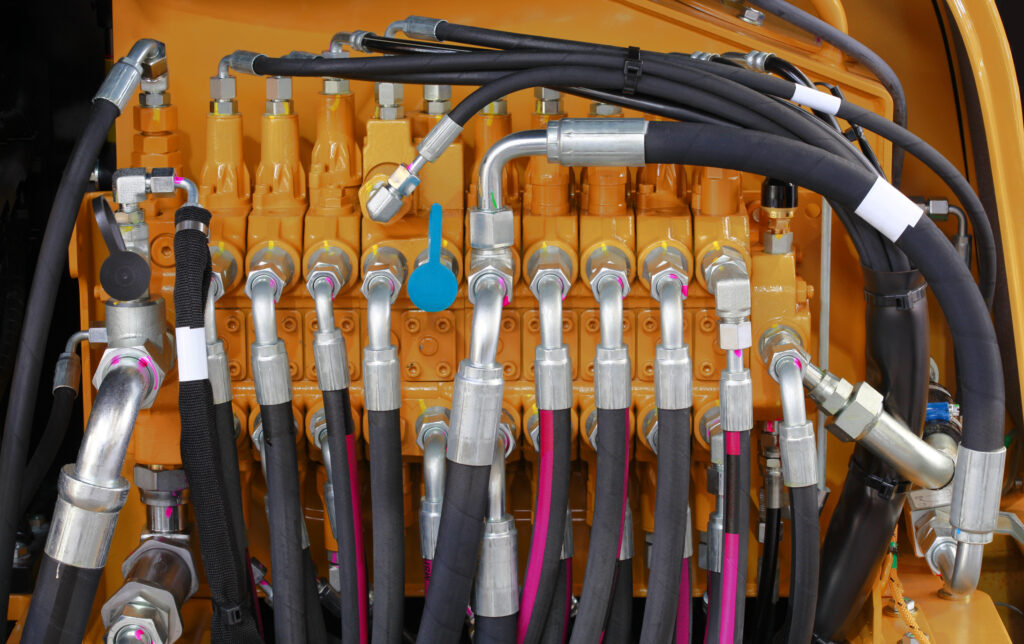
In any operation that relies on hydraulic equipment, the hoses carrying pressurized fluid are among the most critical components in the system. They’re also among the most vulnerable. A hydraulic hose failure doesn’t just mean stopping work to make a repair — it can mean equipment damage, fluid spills, environmental liability, and in serious cases, significant safety risks to workers in the area. Understanding why hydraulic hoses fail is the first step toward preventing failures before they happen.
The Stakes Are Higher Than Many People Realize
Hydraulic systems operate under significant pressure — often thousands of PSI — which means a hose failure isn’t a slow leak you can monitor for a few days before addressing. It can mean a sudden, high-pressure burst that sends hydraulic fluid spraying across a job site or facility floor. Beyond the immediate safety hazard, that kind of failure can damage nearby equipment, create slip and fall risks, and result in hours or days of unplanned downtime while the system is repaired and cleaned up.
For operations in construction, heavy equipment, oil and gas, and other demanding industries, that kind of interruption carries a real cost.
Common Causes of Hydraulic Hose Failure
Most hydraulic hose failures don’t happen randomly. They’re the result of identifiable, preventable conditions. Here are the most common culprits:
- Abrasion: Hoses that rub against equipment, surfaces, or other hoses wear down over time. Abrasion is one of the leading causes of outer cover damage, which can eventually compromise the reinforcement layer and lead to failure. Proper routing, protective sleeves, and hose clamps can all help prevent abrasion-related damage.
- Incorrect hose selection: Using a hose that isn’t rated for the pressure, temperature, or fluid in the system is a recipe for premature failure. This includes both the hose itself and the fittings — a mismatch between components can create weak points that fail under stress.
- Improper installation: Twisting a hose during installation, using too-tight bend radii, or installing a hose with insufficient slack for movement are all common installation errors that put stress on the hose from day one. Over time, that stress accelerates wear and increases the likelihood of failure.
- Age and fatigue: Even a properly selected, correctly installed, and well-maintained hydraulic hose has a finite service life. Repeated pressure cycles, thermal expansion and contraction, and the natural aging of hose materials all contribute to fatigue over time. Hoses that are past their service life should be replaced proactively rather than run until they fail.
- Contamination: Particles inside a hydraulic system can damage hose liners and fittings over time. Keeping the system clean and using hoses with appropriate inner tube materials helps minimize contamination-related wear.
- Coupling and fitting issues: A hose is only as reliable as its connections. Improperly crimped fittings, mismatched components, and fittings that aren’t fully seated can all create failure points at the ends of the hose where stress is already concentrated.
A Proactive Approach to Hydraulic Hose Maintenance
The best way to prevent hydraulic hose failures is to treat hose maintenance as a scheduled activity rather than a reactive one. Regular visual inspections can catch early signs of abrasion, cracking, or fitting issues before they become failures. Keeping records of hose installation dates and replacing hoses on a scheduled cycle — rather than waiting for visible deterioration — significantly reduces the risk of unexpected downtime.
Working with a knowledgeable supplier is also a critical part of a proactive approach. Getting the right hose for the application from the start, with correctly matched fittings and proper guidance on installation, eliminates many of the most common failure causes before they have a chance to develop.
How ASJ Industrial Hose & Fittings Can Help
At ASJ Industrial Hose & Fittings, we’ve been supplying hydraulic hoses and fittings to demanding industries since 1982. Our experienced team can help you select the right hose and fitting combination for your specific system, answer questions about installation best practices, and make sure your orders are fulfilled accurately and on time. We carry an extensive on-site inventory, with many products available for immediate pickup at our Corona, CA location or shipment anywhere in North America.
Don’t wait for a failure to find out your hoses weren’t up to the job. Contact ASJ Industrial Hose & Fittings today at (951) 735-1351 to speak with one of our knowledgeable team members and keep your hydraulic systems running reliably.

 Phone: