
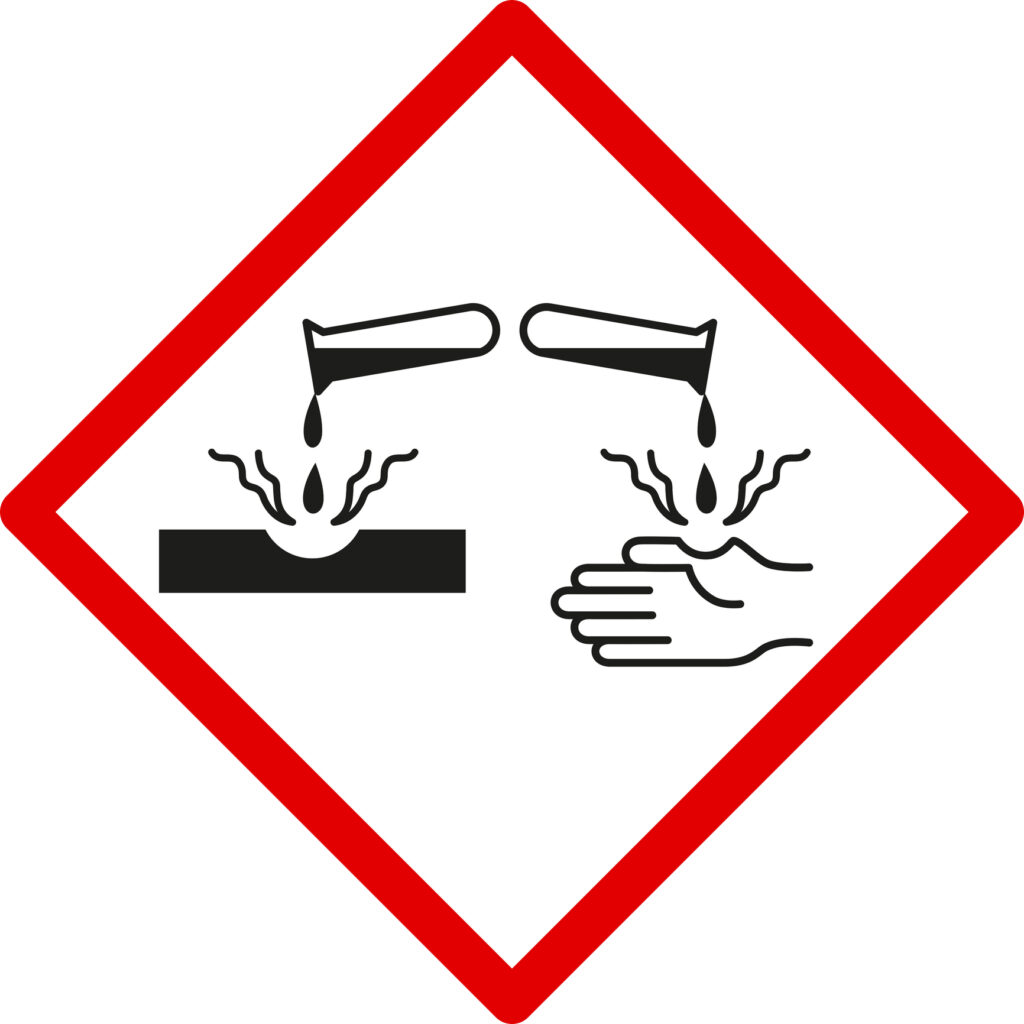
Not every fluid handling application calls for standard metal valves. When corrosive chemicals or precise flow metering are part of the equation, polypropylene and flow control valves often become the better choice. These specialized valves solve problems that standard ball or gate valves simply aren’t built to handle. At ASJ Industrial Hose & Fittings, we help customers across the chemical, food and beverage, and processing industries select the right valve for applications that demand more than a one-size-fits-all solution.
Why Polypropylene Valves Matter for Corrosive Applications
Metal valves can degrade quickly when exposed to certain acids, caustics, and other aggressive chemicals. Polypropylene valves offer a practical alternative for these environments.
- Polypropylene resists corrosion from a wide range of chemicals that would damage brass or stainless steel over time
- Lightweight construction makes installation and handling easier than comparable metal valves
- Non-conductive properties reduce risk in applications where electrical conductivity is a safety concern
- Lower cost compared to specialty alloy valves makes polypropylene attractive for large-scale installations
Facilities working with chemical transfer, wastewater treatment, or industrial cleaning solutions often turn to polypropylene valves specifically because standard metal options wouldn’t hold up under continuous exposure.
Where Polypropylene Valves Fall Short
Polypropylene isn’t the right choice for every application, and understanding its limitations helps prevent costly mistakes.
- Temperature limits are lower than many metal valves, so high-heat processes may require a different material
- Pressure ratings tend to be lower than comparable metal valves, which matters in high-pressure systems
- Some chemicals that are compatible with metal valves may not be compatible with polypropylene, so compatibility should always be verified before installation
Choosing the right valve material means matching it not just to the chemical being handled, but to the full range of operating conditions the valve will face.
Understanding Flow Control Valves
While polypropylene valves solve a material compatibility problem, flow control valves solve a different challenge entirely: managing exactly how much fluid moves through a system, not just whether it flows at all.
- Flow control valves allow operators to regulate flow rate with precision, rather than simply opening or closing a line
- They’re commonly used in applications where consistent, metered flow is critical to product quality or process accuracy
- Needle valves are a common style used for fine flow adjustment in lower-flow applications
- Some flow control valves include integrated check features to prevent backflow while still allowing precise regulation
Industries That Rely on These Specialized Valves
Several industries depend on the combination of chemical resistance and precise control that polypropylene and flow control valves provide.
- Chemical processing facilities use polypropylene valves extensively for transferring and metering corrosive substances
- Food and beverage operations often need precise flow control to maintain consistent product formulations
- Water and wastewater treatment facilities rely on both valve types for chemical dosing and general fluid management
- Agricultural and irrigation systems sometimes use flow control valves to regulate water or fertilizer delivery
Choosing the Right Valve for Your System
Selecting between polypropylene and metal valves, or determining whether a flow control valve is necessary, depends on several factors specific to your operation: the chemicals involved, the required flow precision, temperature and pressure conditions, and long-term maintenance considerations. Getting this decision right the first time helps avoid premature valve failure and unplanned downtime.
Sourcing Specialized Valves You Can Trust
At ASJ Industrial Hose & Fittings, we stock a wide range of valve types, including polypropylene and flow control options, suited to the demands of chemical, food and beverage, and industrial processing applications. Our extensive on-site inventory means many valves are available for immediate pickup or fast shipment anywhere in North America.
Our experienced team can help you determine which valve material and style is right for your specific application, whether you’re dealing with corrosive chemicals, precise metering needs, or both. Call us at (951) 735-1351 to discuss your requirements, and we’ll make sure your order gets fulfilled on time and error free.

 Phone: