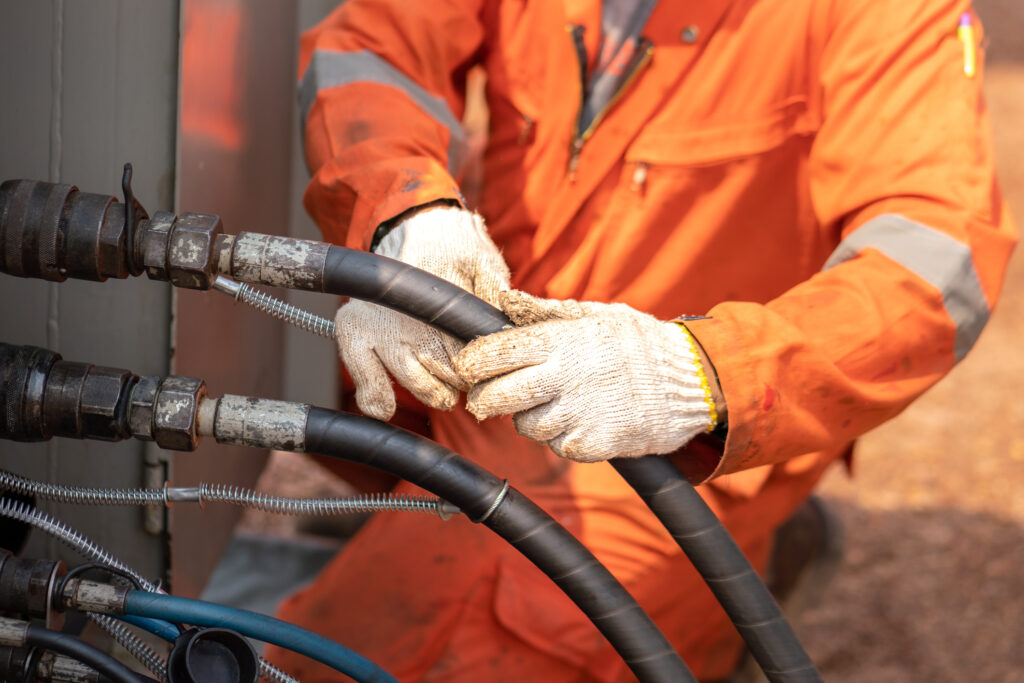
In industrial environments, hoses are more than simple connectors — they are critical links that carry air, water, fuel, chemicals, hydraulic fluids, and other essential materials. When a hose fails unexpectedly, it can cause leaks, contamination, safety hazards, equipment shutdowns, and costly downtime. The most effective way to prevent these issues is by implementing a strategic hose inspection and replacement schedule.
At ASJ Industrial Hose & Fittings, we help companies across construction, manufacturing, chemical processing, food production, and heavy machinery operations choose the right hoses and maintain them for long-term reliability. Whether your goal is safety, compliance, or performance, a structured maintenance plan is essential.
Why Hose Failure Is More Dangerous Than It Looks
Hose failure is not always dramatic. Sometimes it’s a slow leak, softening, bubbling, or loss of pressure. But even small signs can indicate serious internal damage. Ignoring them can lead to:
- Production delays and emergency shutdowns
- Fluid contamination and product loss
- Equipment damage and repair costs
- Slip, fire, or chemical exposure hazards
- Safety and compliance violations
Industrial hoses don’t usually fail suddenly — they fail because early warning signs were missed.
Signs It’s Time to Inspect or Replace Your Hoses
Regular inspections help detect early signs of wear before they become costly failures. Watch for:
- Cracking, blistering, or bubbling on the hose surface
- Soft spots, swelling, or deformities
- Fluid leaks around fittings or connectors
- Reduced pressure or flow
- Unusual odors or discoloration in transferred material
- Corrosion or wear on fittings and clamps
These symptoms often indicate chemical breakdown, pressure damage, or internal degradation.
How Often Should Industrial Hoses Be Inspected?
Inspection schedules vary depending on the application, material, and operating conditions. However, general guidelines include:
- Daily visual checks in high-pressure or chemical environments
- Monthly inspections for hydraulic, fuel, or chemical hoses
- Quarterly inspections for water, air, or pneumatic hoses
- Annual professional evaluations for heavy equipment, high-temperature, or mission-critical applications
High-risk environments — such as chemical processing or food production — require more frequent evaluations.
When to Fully Replace a Hose — Not Just Repair It
Minor wear may sometimes be repaired, but there are situations where full replacement is safer and more cost-effective:
- Visible cracks, brittleness, or surface deterioration
- Frequent leaks or recurring repairs
- Hose is past its recommended service life
- Compatibility issues with new materials or equipment
- Damaged fittings that compromise performance or safety
At ASJ Industrial Hose & Fittings, we help businesses choose replacement hoses that match pressure rating, chemical compatibility, temperature demands, and industry standards.
Keeping an Effective Hose Maintenance Schedule
A well-structured hose maintenance plan should include:
- Routine visual inspections
- Scheduled cleaning and flushing
- Hose labeling and tracking of service dates
- Proper hose storage and handling practices
- Clear records of repairs and replacements
Using a tagging or barcode tracking system can help monitor hose lifespan and prevent equipment from overstaying its safe usage period.
Don’t Forget About Fittings, Clamps, and Connections
A hose is only as strong as the components that connect it. During inspections, always evaluate:
- Clamps for corrosion, rust, or loosening
- Fittings for leaks or surface damage
- Alignment of hose connections
- Signs of compression, bending, or twisting at connectors
Replacing a damaged fitting can sometimes prevent a full hose failure.
Build a Safer, Smarter Hose Maintenance Strategy
A proactive inspection and replacement schedule protects your operation from leaks, shutdowns, and safety violations. It helps extend the life of your equipment, improve efficiency, and reduce long-term costs.
At ASJ Industrial Hose & Fittings, we supply industrial-grade hoses, fittings, clamps, valves, and more — along with professional guidance to help you build a maintenance strategy that fits your industry.
Call (951) 735-1351 today to speak with an expert and get the right hoses and fittings that keep your system safe, reliable, and ready for anything.
 Phone: