
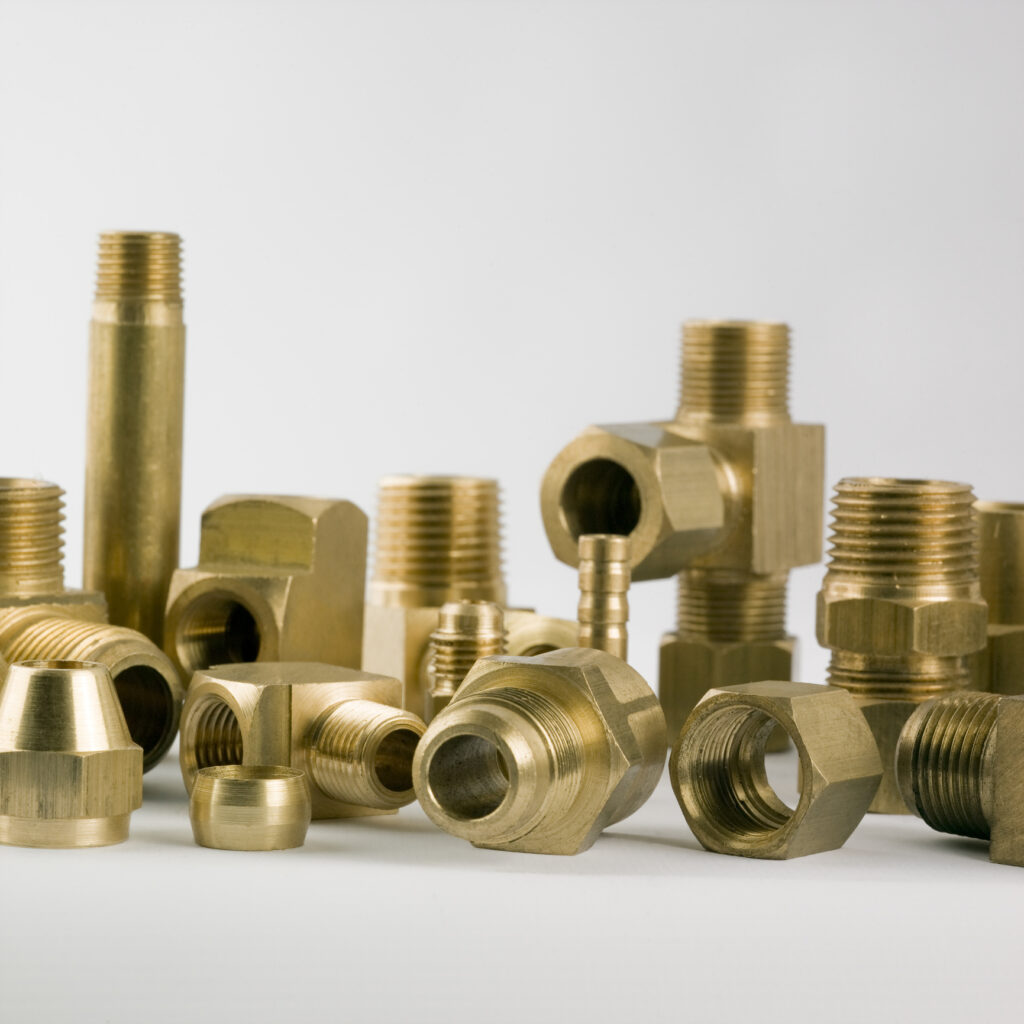
In industrial systems, hoses move material — but valves control it. Whether you are working with hydraulic fluid, water, oil, chemicals, steam, or compressed air, the valve you choose determines how efficiently and safely that material flows. A misselected valve can restrict output, increase pressure strain, create leaks, or contribute to unplanned downtime.
At ASJ Industrial Hose & Fittings, we have worked with construction crews, heavy equipment operators, oil and gas facilities, chemical plants, and food and beverage processors for decades. One of the most common issues we see is not hose failure — it is improper valve selection.
Here are some of the most frequent valve mistakes that can disrupt industrial fluid control.
Choosing the Wrong Valve Type
Not all valves are designed to do the same job. Selecting a valve based on convenience instead of application requirements can compromise performance.
For example:
- Ball valves are ideal for quick shutoff applications.
- Gate valves are designed for full open or full close positions, not flow regulation.
- Butterfly valves are often used for larger diameter systems.
- Check valves prevent backflow and protect pumps.
- Flow control valves regulate pressure and volume precisely.
Using a gate valve where throttling is required can damage internal components over time. Failing to install a check valve in a system prone to backflow can lead to pump damage and contamination issues.
Understanding how your system operates — continuous flow, intermittent use, high pressure, corrosive media — is critical before choosing the valve type.
Overlooking Pressure and Temperature Ratings
Each valve has defined pressure and temperature limits. Ignoring these specifications can lead to seal degradation, leakage, or structural failure.
Hydraulic systems, for example, often require valves rated for high PSI. Chemical applications may demand materials resistant to corrosion and heat. Steam systems require temperature-tolerant components.
Key considerations include:
- Maximum working pressure
- Potential pressure surges
- Operating temperature range
- Compatibility with the media being transferred
Selecting a polypropylene valve when stainless steel is required — or using a valve rated for lower pressure in a high-demand system — can significantly shorten equipment lifespan.
Ignoring Port Configuration and Flow Requirements
Valve port design directly impacts system efficiency. Standard port valves reduce internal diameter and can create pressure drop. Full port valves allow maximum flow with minimal restriction.
In high-volume operations, restricted flow can decrease output and increase energy consumption. On the other hand, some systems require controlled flow rather than maximum volume.
You should also evaluate:
- Threaded versus flanged connections
- Hydraulic-specific configurations
- Standard or full port requirements
- Ease of integration with existing hose assemblies
Small design details can have measurable operational consequences.
Failing to Consider Environment and Maintenance
Industrial environments are rarely gentle. Construction sites, heavy machinery operations, and oil and gas facilities expose valves to vibration, debris, temperature swings, and frequent handling.
Choosing durable materials and accessible designs makes ongoing maintenance more manageable. Hydraulic ball valves, for example, are often preferred in mobile equipment due to their durability and straightforward operation.
A properly selected valve reduces reactive maintenance and increases system reliability.
Work with an Experienced Supplier
Valve misselection often begins with assumptions. An experienced supplier can help identify potential issues before they affect production.
At ASJ Industrial Hose & Fittings, our knowledgeable team understands how valves interact with hoses, fittings, clamps, and gauges as part of a complete system. Whether you need check valves, ball valves, gate valves, butterfly valves, or flow control solutions, we help match the right component to your application.
When you are ready to place an order or need assistance selecting the correct valve, call (951) 735-1351. We take pride in fulfilling every order on time and error free.
The right valve does more than control flow. It protects equipment, supports efficiency, and helps keep your operation running smoothly.

 Phone: