
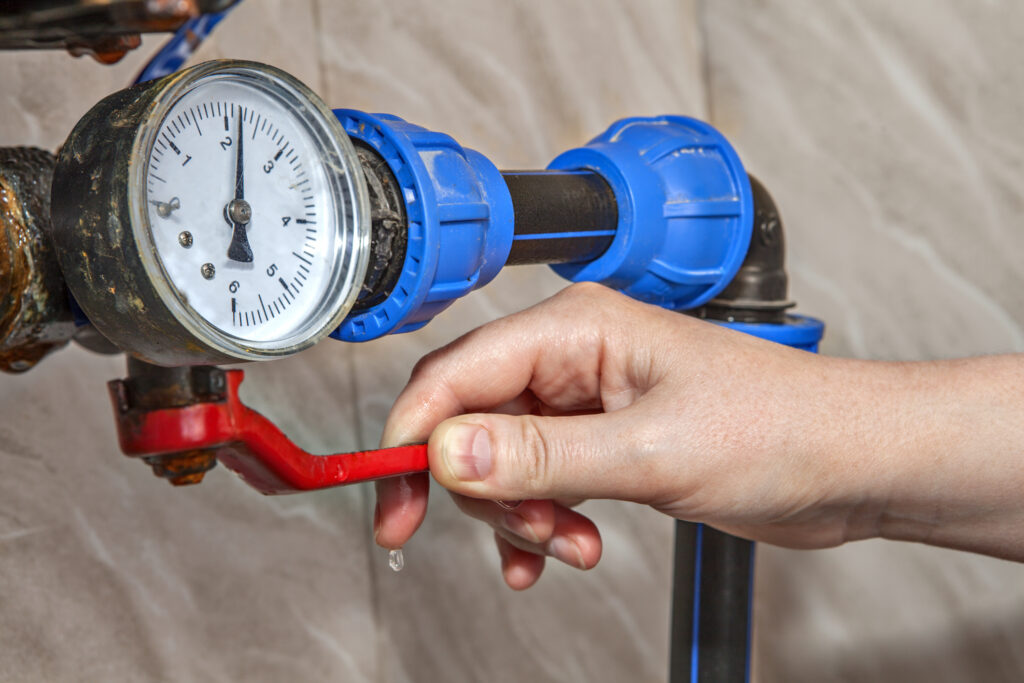
When it comes to managing industrial hose systems, keeping an eye on pressure levels is one of the most important aspects of safe and efficient operation. Pressure gauges provide real-time data that helps operators prevent equipment damage, ensure safety, and maintain process efficiency.
Whether your system handles water, chemicals, gases, or hydraulic fluids, choosing the right pressure gauge and keeping it properly maintained can make a big difference in performance and longevity.
What Does a Pressure Gauge Do?
A pressure gauge measures and displays the internal pressure of a hose, pipe, or tank. This information allows operators to:
- Confirm that equipment is running within safe pressure ranges
- Detect pressure spikes or drops that could indicate a problem
- Optimize system performance by maintaining consistent pressure
- Protect hoses, valves, and fittings from damage caused by overpressure
Without a reliable gauge, operators would have no way of knowing if pressure is building to dangerous levels — or if pressure is too low to keep processes running smoothly.
Types of Pressure Gauges for Industrial Applications
There are several different types of pressure gauges used in industrial hose systems. Each has specific advantages depending on the application, fluid type, and operating environment.
Bourdon Tube Gauges
Bourdon tube gauges are the most common type for industrial use. They feature a coiled tube that flexes in response to pressure changes. The movement of the tube translates into a needle movement on the gauge face. These gauges are:
- Suitable for high-pressure applications
- Durable and reliable in demanding environments
- Available in a range of materials to handle different fluids
Digital Pressure Gauges
Digital gauges provide highly accurate pressure readings on an electronic display. They often include additional features such as:
- Data logging for performance tracking
- Alarms for high or low pressure conditions
- Remote monitoring capabilities
Differential Pressure Gauges
For applications where it’s important to measure the pressure difference between two points, differential gauges provide a clear reading of the gap. This is especially useful in filtration systems, where operators need to know when filters are becoming clogged.
Liquid-Filled Gauges
Liquid-filled gauges are ideal for high-vibration environments. The liquid inside the gauge dampens needle movement, making it easier to read the pressure accurately even when equipment is vibrating.
Factors to Consider When Choosing a Pressure Gauge
Choosing the right pressure gauge is not as simple as picking the first one that fits. Several factors influence which gauge is best for your system.
Pressure Range
The gauge should be able to handle the maximum pressure your system could reach. It is typically recommended to choose a gauge with a range that allows normal operating pressure to fall within the middle 50% of the scale for best accuracy.
Compatibility with Fluid Type
The gauge materials must be compatible with the fluid being measured. For example:
- Stainless steel for corrosive chemicals
- Brass for water and air systems
- Special coatings for abrasive or viscous materials
Process Conditions
Consider whether the system experiences pulsations, vibrations, or temperature extremes. Liquid-filled gauges are often best for systems with frequent vibrations, while gauges with protective housings may be necessary for outdoor applications.
Connection Type and Placement
The gauge must fit the system’s existing connections, and its placement should allow for easy reading by operators. Mounting options include:
- Direct mount on hoses or fittings
- Panel-mounted for centralized monitoring
Maintenance Tips for Long-Lasting Accuracy
Even the best pressure gauges need regular care to remain accurate and reliable. Simple maintenance steps include:
- Checking for signs of damage or corrosion
- Testing gauge accuracy against a calibrated reference gauge
- Cleaning gauge faces for clear visibility
- Replacing damaged or leaking gauges immediately
Trust the Experts to Find the Right Gauge for Your System
If you need help selecting the best pressure gauge for your industrial hose application, the team at ASJ Industrial Hose & Fittings is ready to assist. Contact ASJ Industrial Hose & Fittings at (951) 735-1351 for expert advice and access to a wide range of high-quality gauges designed to handle even the most demanding industrial conditions. With the right gauge in place, you’ll have the data you need to keep your system safe, efficient, and compliant.

 Phone: